Receipts. Recognition. Respect.
In Good Company
A loose collection of people and brands we admire, use, or quietly orbit—some give us stuff, some give us money, a few endorse us, most don’t, and some we just want to be when we grow up. Most are not affiliated with BigBigPun Ceramics and do not endorse us in any legal or spiritual way. We just like their work and thought you should know.
Jean Naté
Splash it on. Call it a reset.Gerstley Borate Mine Workers Union
Technically gone. Emotionally still binding everything together.20 Mule Team Borax
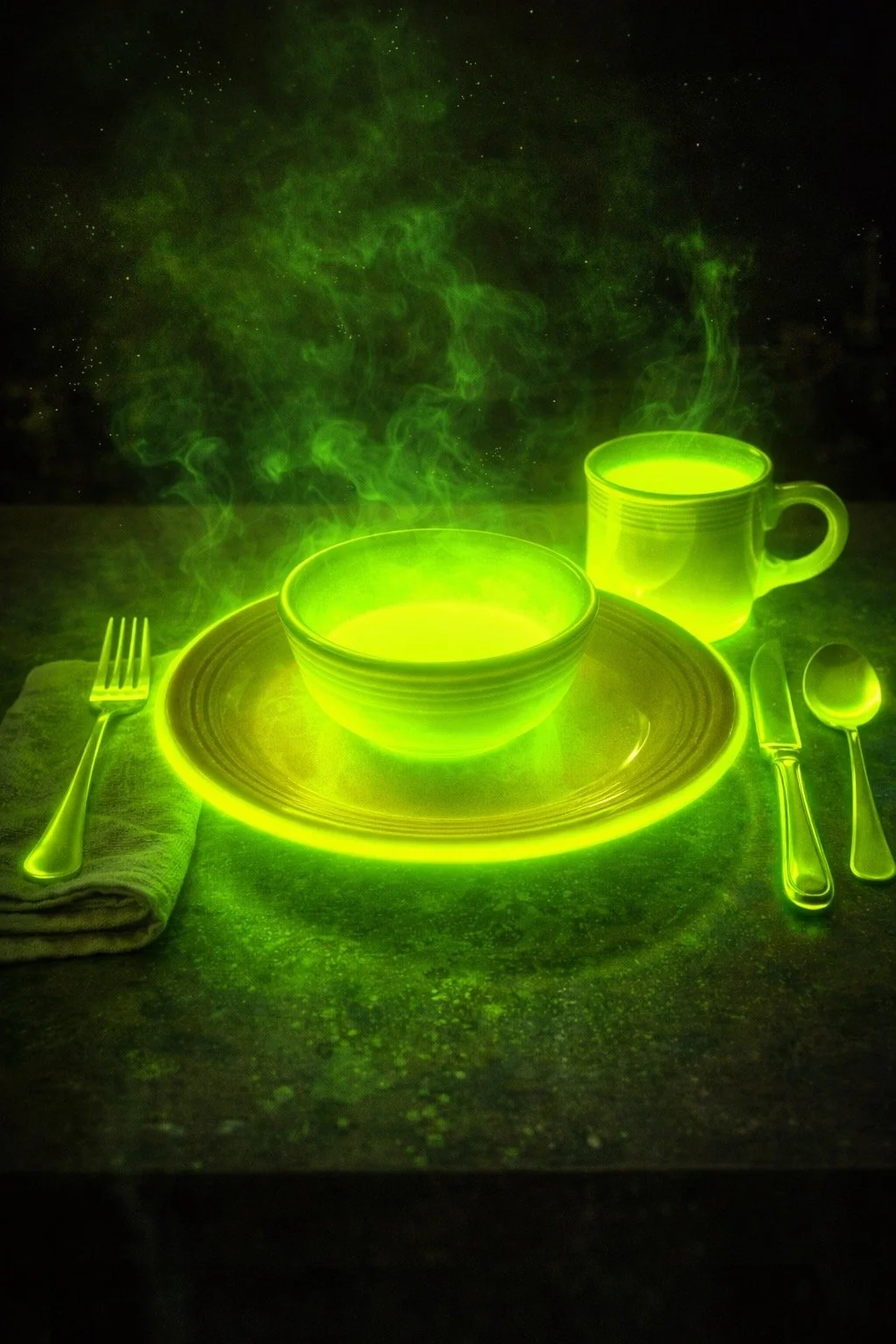
Carries the load. Asks no questions. Judges quietly.Radioactive Dinnerware Association
Not dangerous. Just… memorable.Hostess Twinkies
Shelf life: indefinite.Radio Shack
You went in for a cable. You left with doubt.Mr. Bill (Oh No Era)
A masterclass in structural failure.IBM Selectric
A revolution in backspacing.
No undo. Just consequences.


Noticed
Somehow, people noticed—a loose collection of features, mentions, and moments where our work escaped the studio and made eye contact with the outside world. Some were planned, most were not. No campaigns, no strategy—just clay and consequences. We’re as surprised as you are.



JEAN NATE
So fresh, so new, you get the feeling there's nothing you can't do
It’s like a smile for your skin
BORAX
Built to last.
Not built to change.
TWINKIES
Expiration date.
optional.
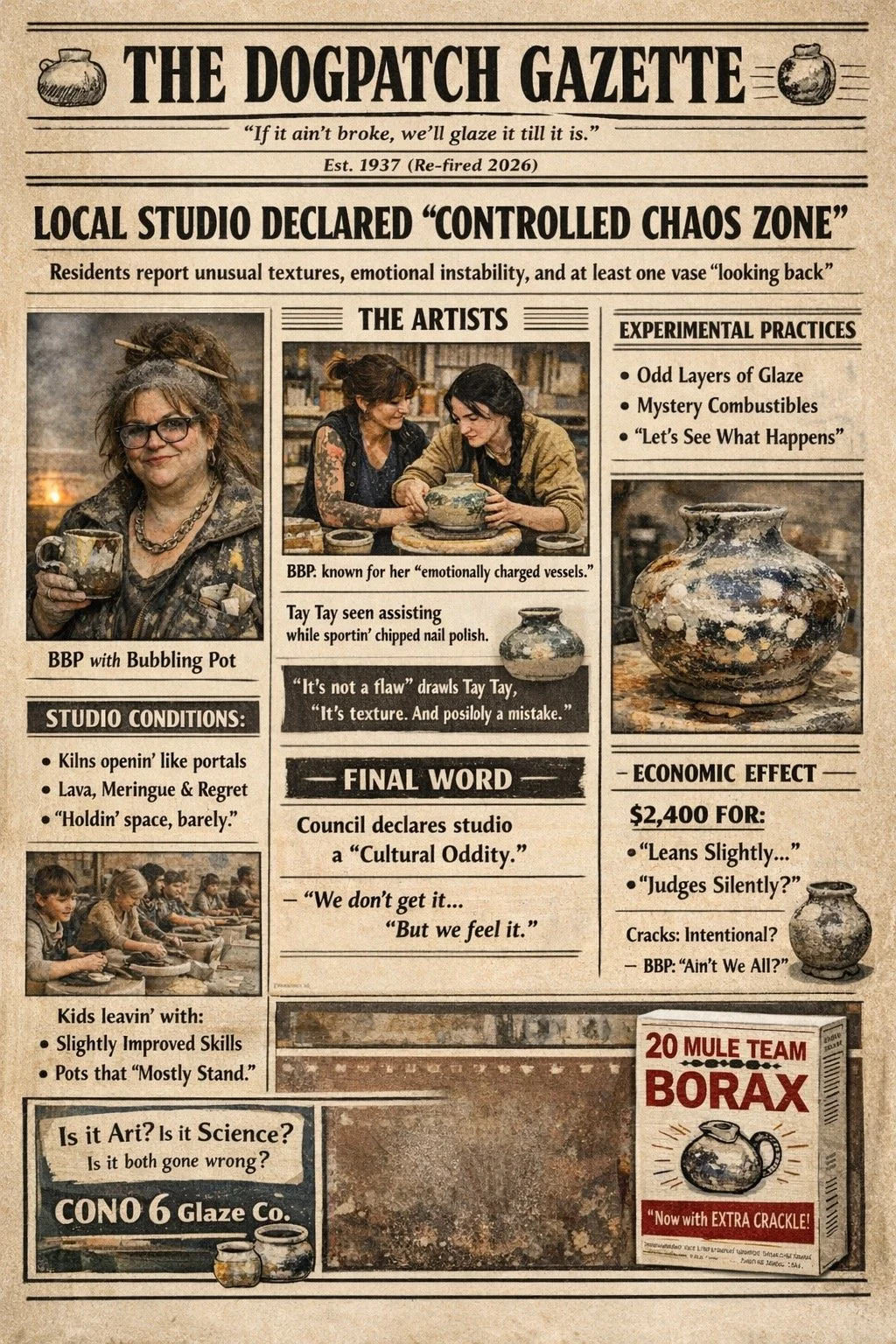
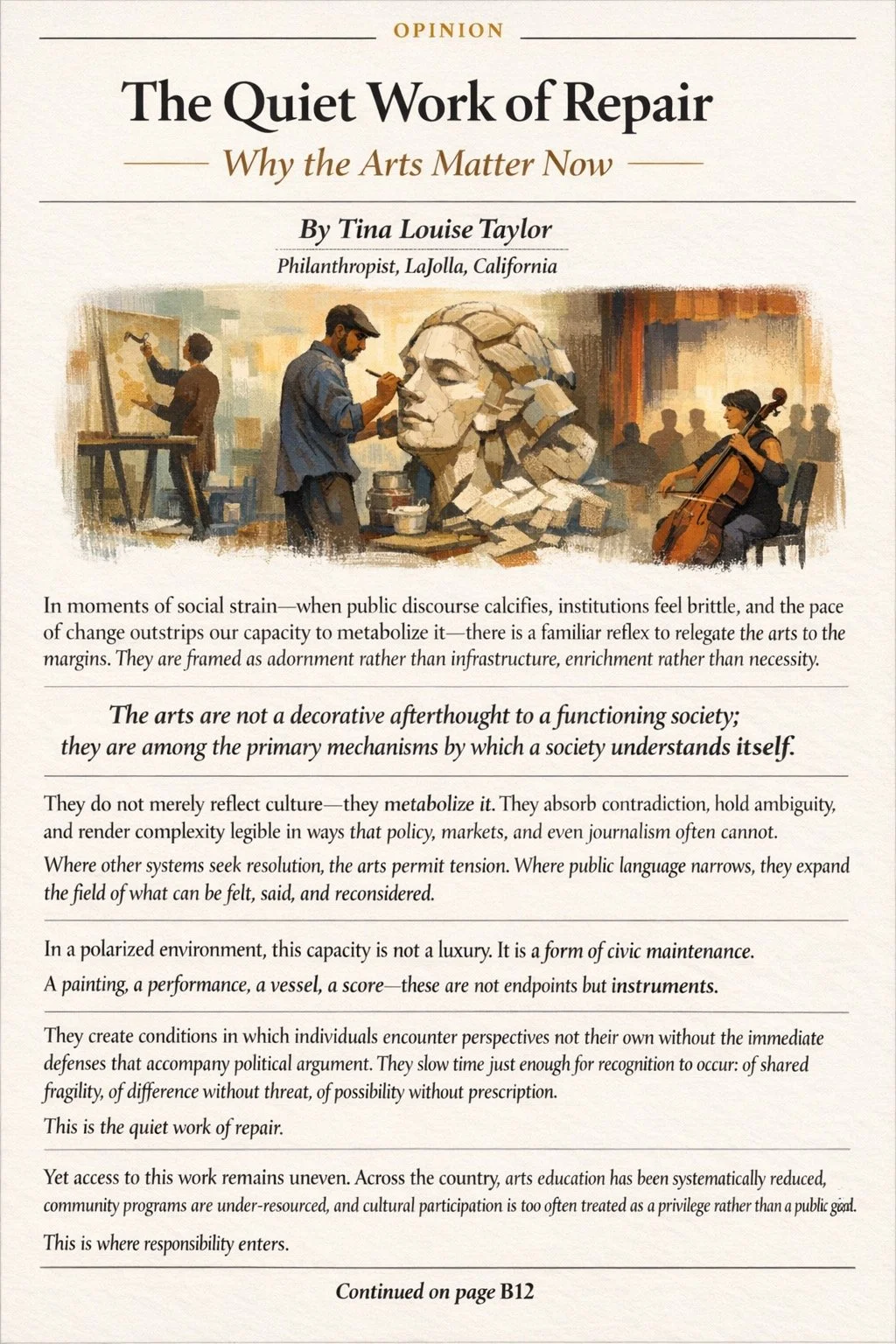
Gratitude
A short, but sincere list of people we respect, appreciate, and occasionally rely on more than we’d like to admit. Some offered guidance. Some showed up. Some made things possible in ways that cannot be ignored. Some just gave us a high five when we needed it. None of this happened alone—we’re just the dirty birds covered in clay.


MR. BILL
Oh no.
is a design philosophy
FIESTA WARE
Glow
responsibly
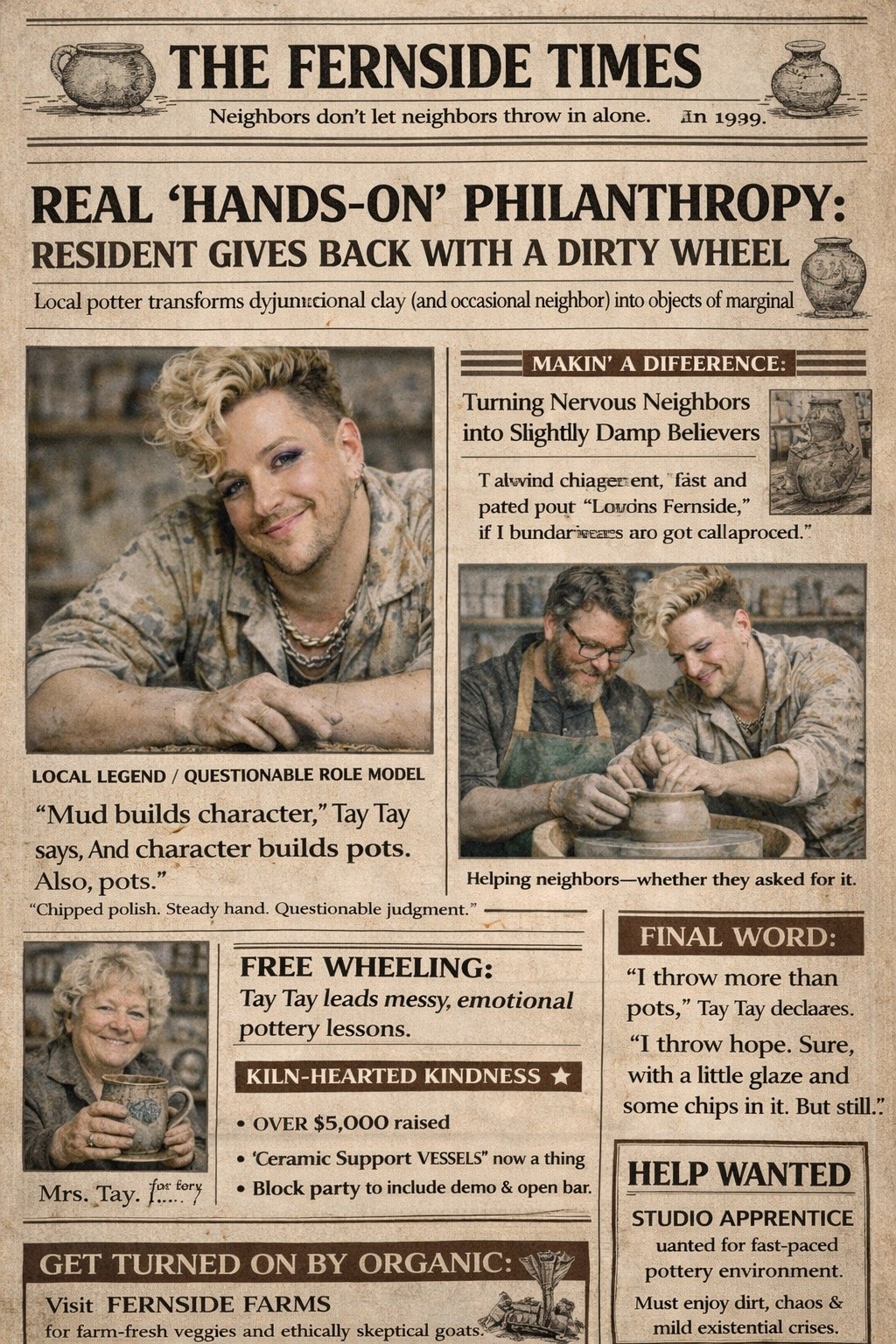
GERSTLEY BORATE
Starts melting before you do.
Discontinued, not forgotten.
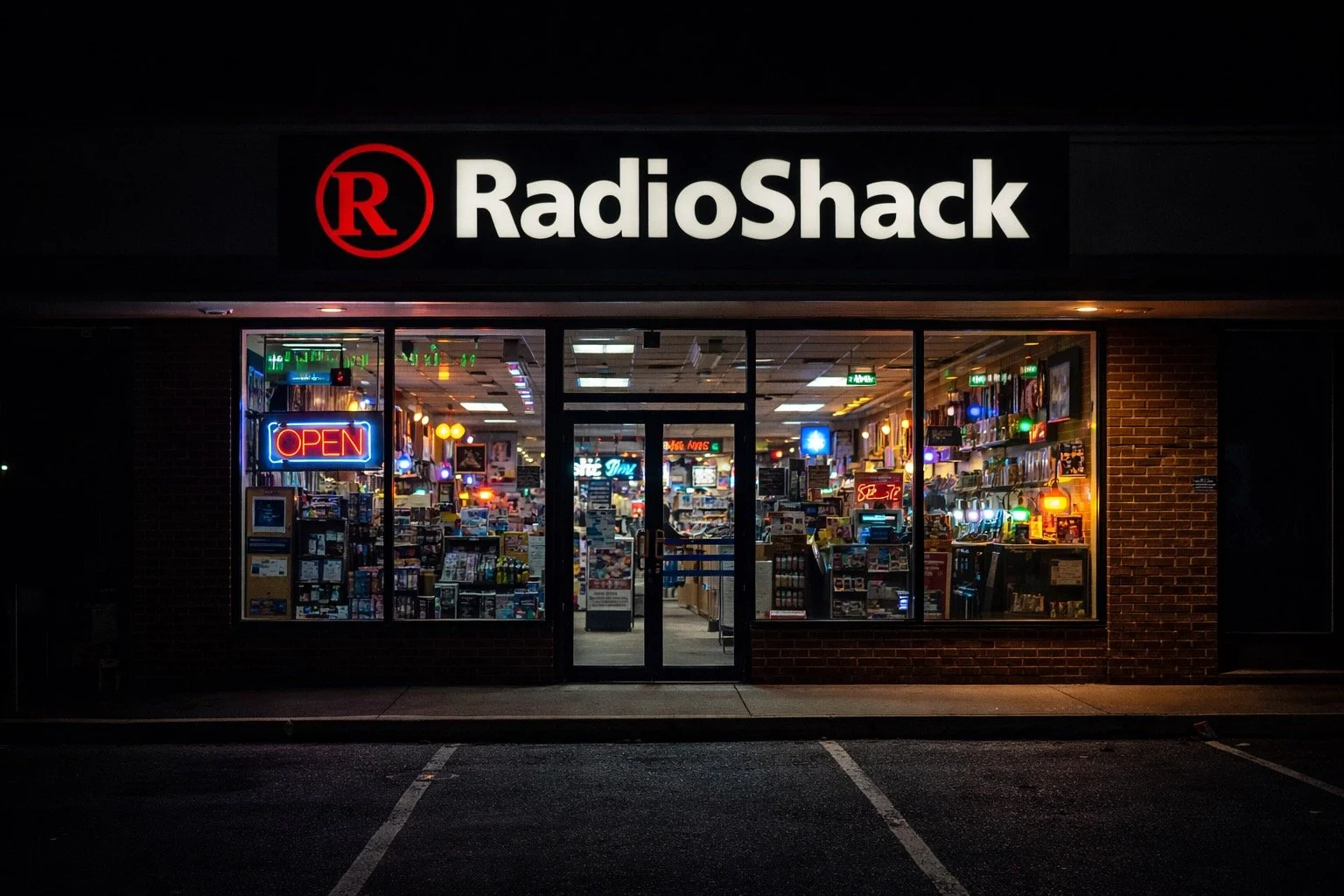
RADIO SHACK
Need help?
We sold you the problem
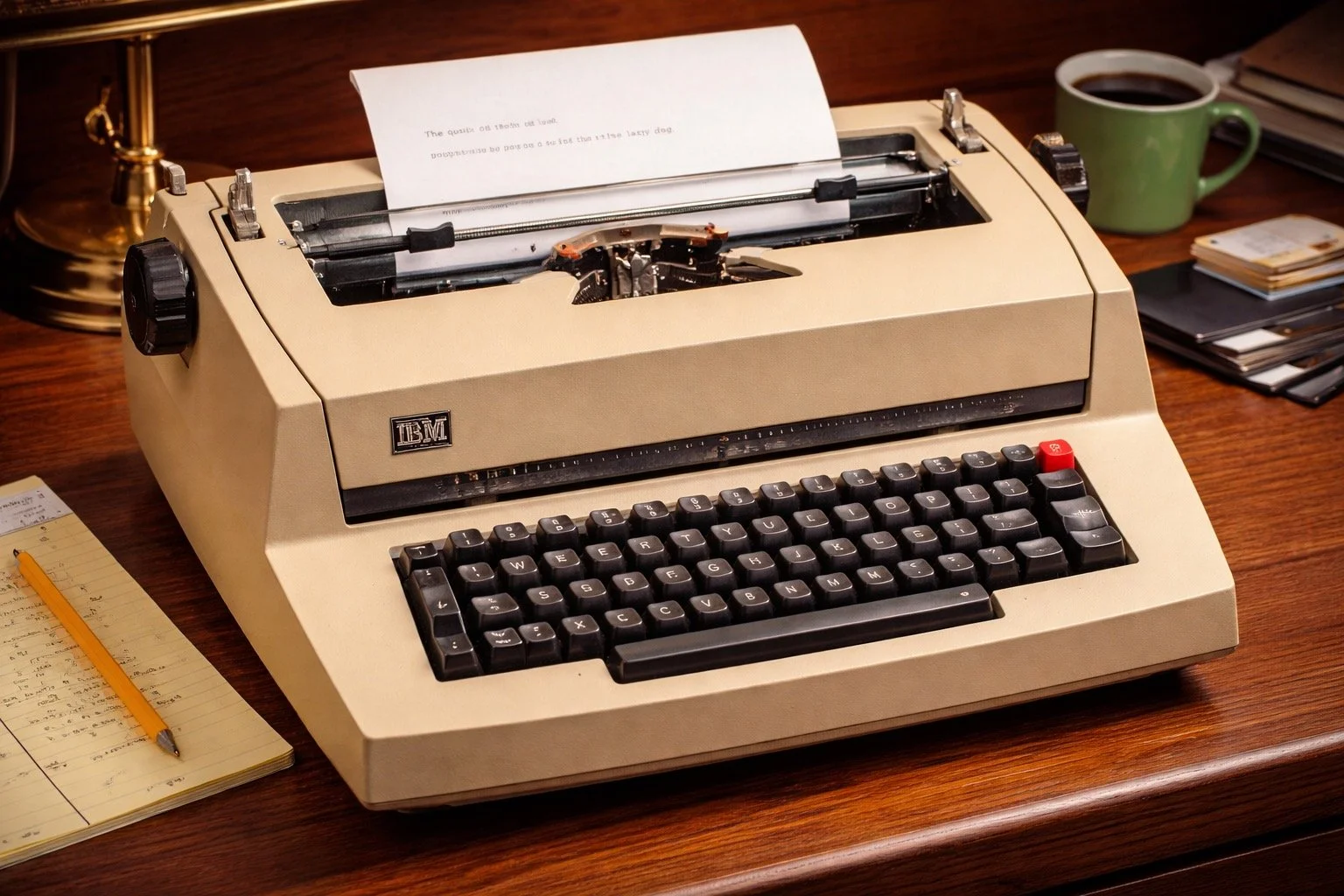
IBM SELECTRIC
Backspace
changed everything

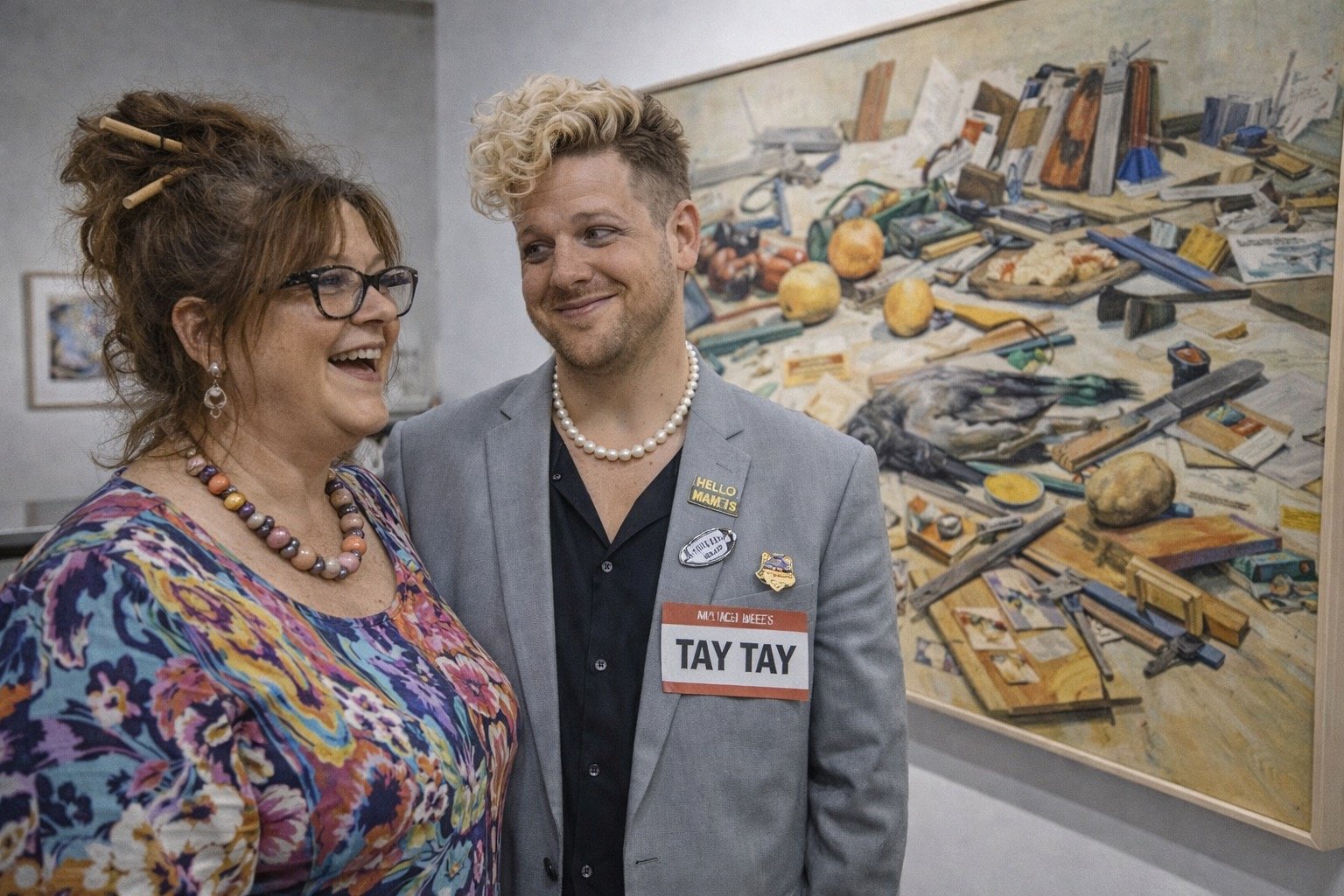
T. Taylor Arts Fund
Official Patron of Visibility, Control, and Selective Generosity
Every ceramics studio needs support. Some get grants. Some get donors. We got… oversight with a checkbook.
The T. Taylor Arts Fund has been instrumental in keeping the BBP studio alive, solvent, and under tasteful surveillance. Founded by a woman whose primary qualification is proximity to exceptional wealth—and an unwavering belief that this proximity confers insight—the Fund operates at the intersection of philanthropy and performance.
To her credit, she bought us a kiln. Not a hobby kiln. A serious one. The kind that doesn’t just fire clay—it recalibrates expectations and reminds you, immediately, who paid for it. It arrived with a tone: serene, controlled, faintly clinical. The kind of composure typically achieved through generational wealth, light sedation, and a lifelong commitment to never having an unscripted emotion.
The generosity, of course, is real. So is the choreography around it.
Checks arrive. Then come the conversations—framed as curiosity, delivered as correction. Questions that begin as “just a thought” and land somewhere between a performance review and a gentle reminder of your place in the ecosystem. You explain your work. Your process. Your decisions. Occasionally your worth.
There is always a comparison. Always a better version of you happening somewhere else. A museum. A board. A gala where the lighting is better and the people are quieter. These references are not critiques—they’re positioning tools. A way of reminding you that culture, like everything else, has a hierarchy, and she knows exactly where she sits in it.
Public recognition, interestingly, is handled with restraint. No name on the building. No plaque. Not out of humility—out of strategy. Visibility is far more effective when it feels selective. When it appears earned. When people talk about it without being asked.
And make no mistake—people talk.
There’s a particular talent in making generosity feel like access. In making support feel conditional without ever saying the word. In creating a dynamic where you are both grateful and slightly on edge, aware that the relationship exists not just to sustain you, but to refine you—into something more presentable, more legible, more… useful.
We understand our role.
We’re not the gala.
We’re not the board seat.
We’re not the headline.
We’re the project.
And like all good projects, we are expected to improve.
Still—the kiln is hot. The lights are on. And the work, irritatingly, is better for it.
T. Taylor Arts Fund.
Because nothing elevates art quite like generosity….with expectations.
Oh—and truly, thank you. We’ll try to deserve it.
Rubbermaid
Official Bucket of the BBP & TT Studio
Every great pottery studio needs a vessel capable of holding water, clay scraps, glaze mistakes, emotional setbacks, and occasionally lunch.
Rubbermaid Industrial Buckets deliver the rugged reliability required for a studio environment where things are frequently dropped, kicked, misidentified as glaze containers, and occasionally used as seating.
Features include:
• Exceptional durability
• Comfortable accidental foot contact
• Ability to hold approximately 4,000 mysterious glaze tests
Rubbermaid.
Because every potter owns at least twelve and none of them are clean.
Grolleg Kaolin
The Official Clay of Questionable Decisions
Grolleg Kaolin has long been respected by serious ceramic artists for its purity, workability, and refined whiteness.
BBP & TT primarily value it because it gives their glaze experiments something dramatic to sit on.
Whether producing elegant porcelain forms or bowls that seem slightly surprised to exist, Grolleg delivers a clay body capable of surviving even the most ambitious artistic detours.
Grolleg Kaolin.
Trusted by masters.
Misused by BBP & TT.
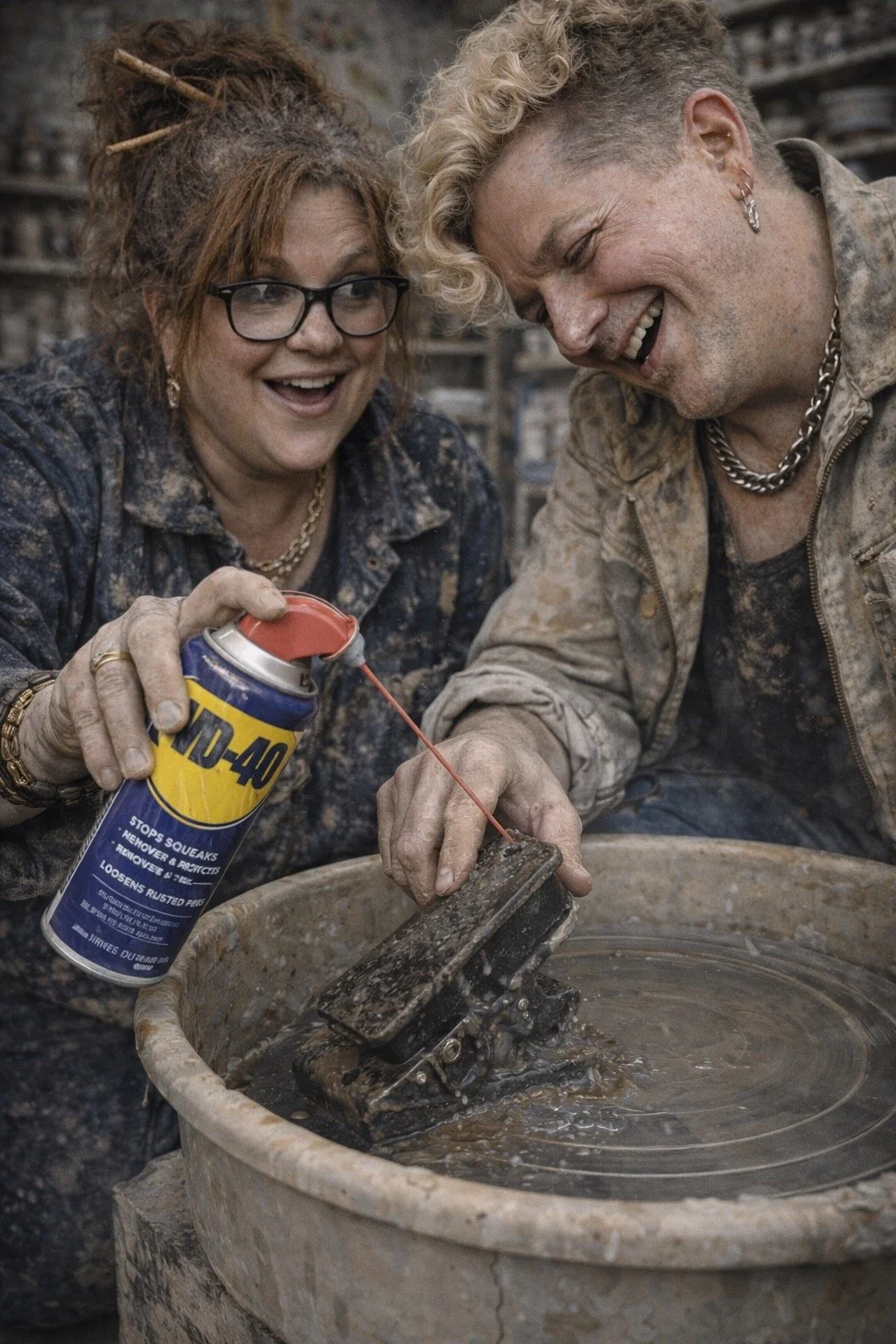
WD-40
Because Something Always Needs Fixing
Pottery studios are environments of constant mechanical negotiation.
Wheel squeaking? WD-40.
Kiln hinge protesting? WD-40.
Studio door that hasn’t closed properly since 1997? WD-40.
While it has never successfully repaired a collapsed bowl, WD-40 continues to support the BBP & TT studio in countless other vaguely mechanical ways.
WD-40.
Not officially approved for ceramics…
but suspiciously useful anyway.
Alphabet Pasta
Official Typography System of the BBP & TT Studio
Before fonts were digital and before potters discovered stamps, there was alphabet pasta.
Carefully pressed into wet clay slabs, these tiny noodles allow BBP & TT to create important ceramic inscriptions such as:
• “MUG”
• “SOUP?”
• “WHY DID THIS WARP”
• “HANDLE WITH EMOTIONAL CARE”
The beauty of alphabet pasta is its unpredictability. Letters disappear, rotate, or fuse together during firing, creating typography that experts describe as “emotionally expressive.”
Alphabet Pasta.
Because sometimes Helvetica just feels too organized.
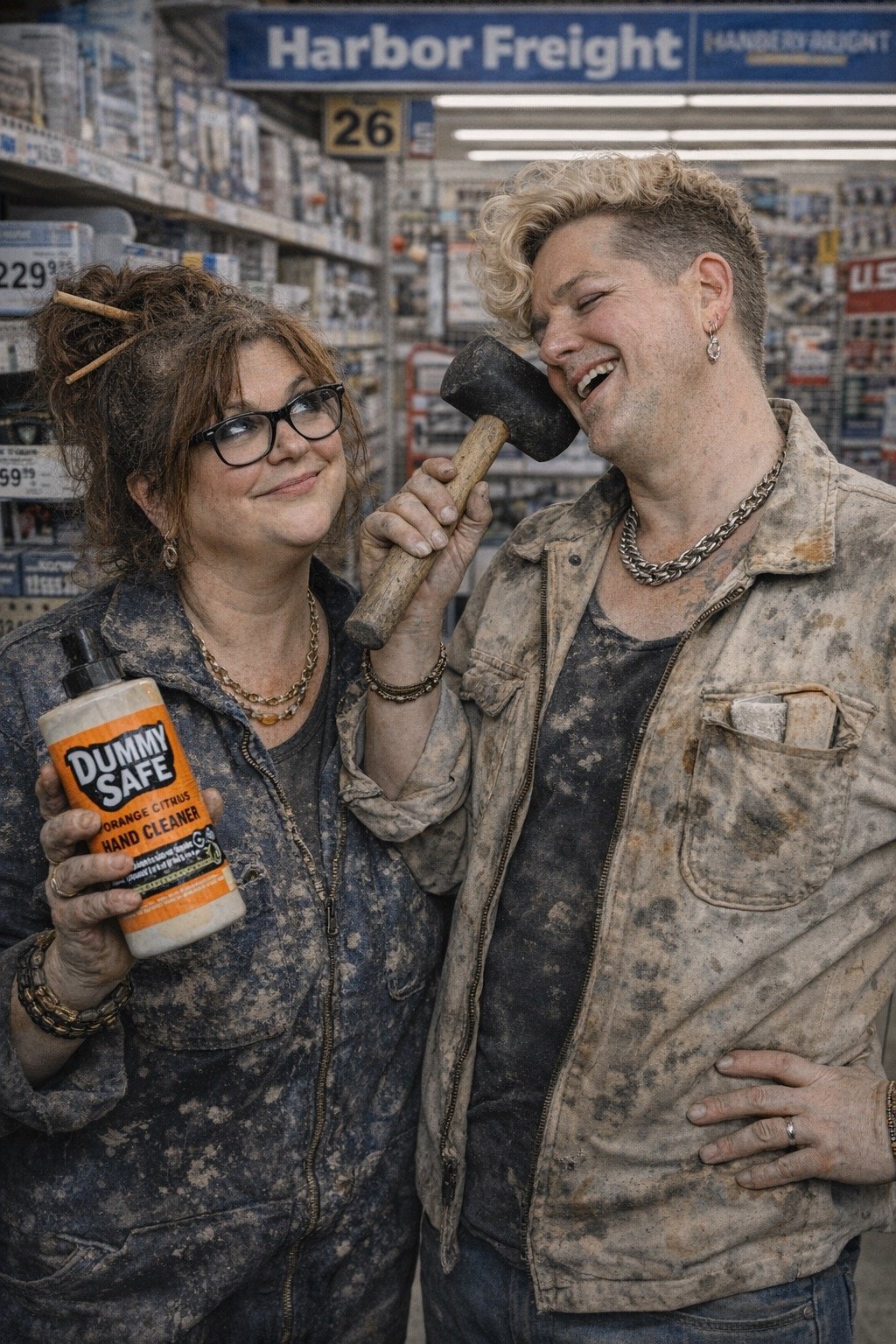
Harbor Freight Tools
Official Supplier of Tools That Probably Work
Every pottery studio needs tools: torches, clamps, grinders, heat guns, and mysterious items that seem important but are rarely used correctly.
Harbor Freight provides BBP & TT with an endless supply of surprisingly affordable equipment, allowing the studio to maintain its long-standing commitment to improvisation and light mechanical uncertainty.
Whether repairing shelving, modifying kiln furniture, or attempting an ill-advised glaze experiment involving fire, Harbor Freight stands ready with tools that are both accessible and vaguely reassuring.
Harbor Freight.
Because professional tools are expensive, and curiosity is powerful.
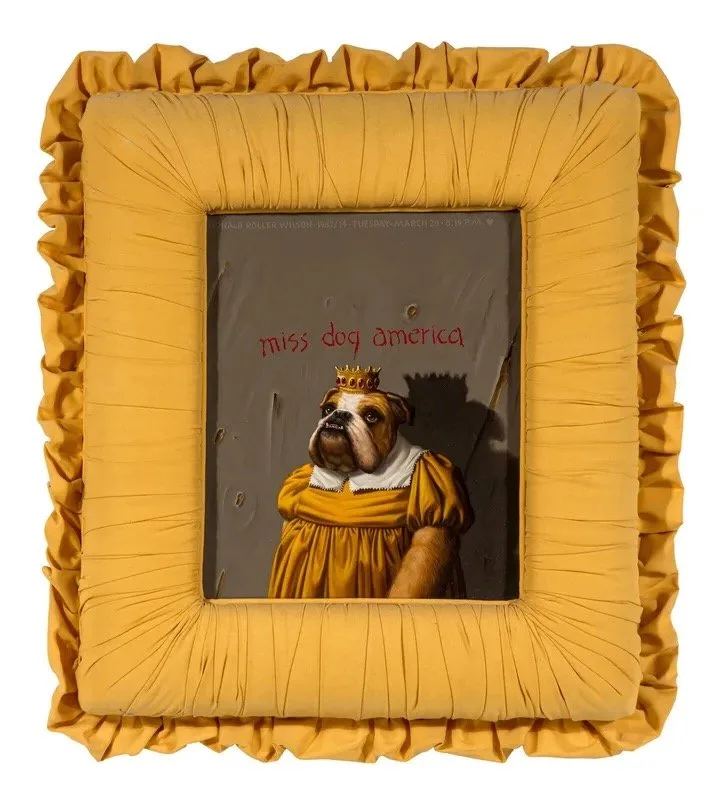
Miss Dog America
Spiritual Patron of the BBP & TT Studio
The BBP & TT studio proudly recognizes Miss Dog America as the official ceremonial mascot of the pottery operation.
More importantly, she serves as the earthly representative of our creative savior, Donald Roller Wilson, whose visionary artistic wisdom arrived to the studio as if carried on a warm Arkansas breeze from the legendary pecan farm.
From that sacred place of nut trees, surreal animals, and improbable elegance, Roller Wilson has long reminded us that art should be bold, strange, joyful, and occasionally confusing.
Whenever a glaze test fails, a bowl collapses, or two mugs fuse together permanently in the kiln, the studio pauses briefly and asks:
“What would Roller do?”
Miss Dog America, watching over the shelves with quiet authority, assures us the answer is usually:
“Continue. But make it stranger.”
Miss Dog America.
Guiding the studio with dignity, grace, and the distant creative blessings of Roller Wilson and the pecan farm.
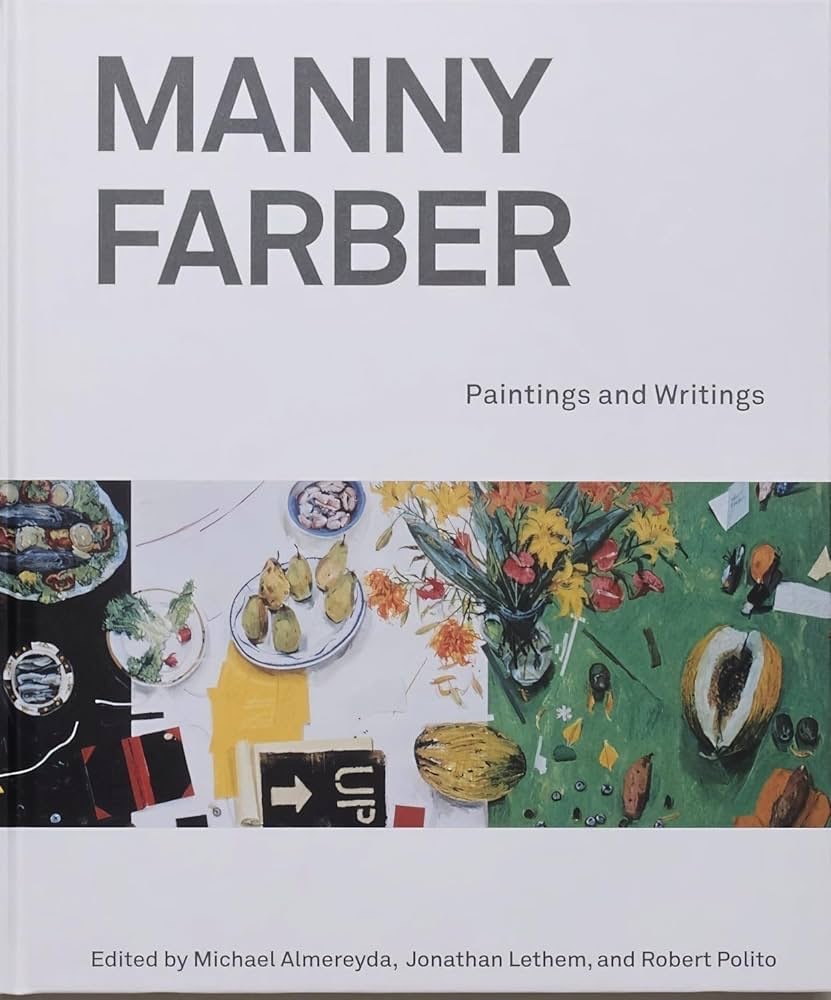
Manny Farber (1917–2008)
Spiritual Patron of Termite Activity, Lateral Thinking, and the Art of Not Overdoing It
The BBP & TT studio proudly recognizes Manny Farber as its unofficial patron saint of working—really working—without announcing that you are working.
Farber, painter and film critic, spent a lifetime resisting the heavy, overcomposed, self-congratulatory tendencies of what he famously called white elephant art—the kind that arrives bloated with meaning, overly resolved, and already convinced of its cultural importance.mHe preferred something far less polite.
What he called termite art.
Work that nibbles at the edges. That moves sideways instead of forward. That builds through accumulation, not declaration. That stays alive because it never quite settles down.
Not messy for effect. Not careless. Just… unwilling to close the case.
Farber’s own paintings—tabletop worlds crowded with objects, fragments, color interruptions, and shifting perspectives—operated exactly this way. No central hierarchy. No single point of dominance. Your eye moves. Then moves again. Then gets distracted. Then finds something better.
Which, unfortunately, feels very familiar.
A glaze crawls unexpectedly across the surface. A rim thickens where it shouldn’t. A form leans—just enough to bother you, not enough to fix. And instead of correcting it into submission, we stop and ask:
“Where’s the energy?”
Because that’s the Farber question. Not “Is it resolved?” Not “Is it finished?” Not “Will people understand it?” But—where does it live? Farber distrusted anything that looked too composed, too intentional, too neatly tied together. He believed that once a piece starts announcing itself—explaining itself—it begins to die a little.
So the job isn’t to perfect the work.It’s to stay with it. To follow the interesting part—even if it leads somewhere inconvenient.mEspecially if it does. He wasn’t against beauty. He was against certainty. Which makes him, frankly, a terrible influence and an essential one.
Because in this studio, the best moments rarely come from control. They come from hesitation.
From misdirection. From something slightly off that refuses to be corrected—and slowly becomes the point. When a piece almost works—but not quite— When your instinct is to fix it—but something says wait— When the “problem” starts to feel… necessary—
That’s where Farber is. Not approving. Not disapproving. Just tracking the movement. Watching to see if you ruin it by trying to make it good.
And if Miss Dog America says, “make it stranger,”
Farber, without looking up, mutters:
“Don’t finish it too soon.”
Manny Farber.
Because nothing kills a piece faster than deciding what it is…
before it has a chance to become something else.